Falchion Sword Explained 2026 Medieval Curved Blade Design and Combat
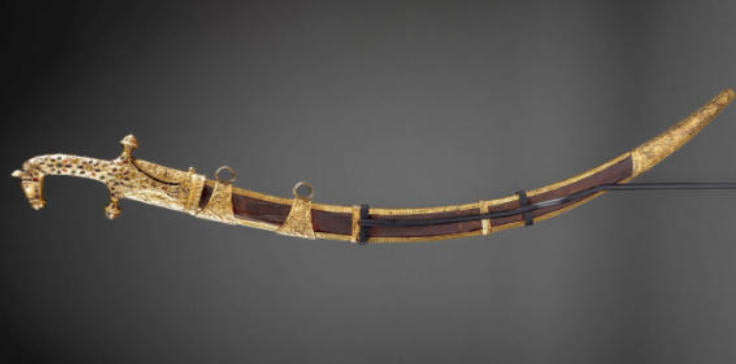
What Is a Falchion Sword and How Was It Used in Medieval Combat
The falchion sword is one of the most fascinating and distinctive blades of medieval Europe, combining the cutting power of chopping weapons with the versatility of a traditional sword. With its unique curved blade and single edge, the falchion stands apart from straight longswords and shortswords and remains a key subject of military history and medieval weapon enthusiasts. This comprehensive guide explains what a falchion sword is, its historic design features, how it was used in medieval combat, and why it still captivates collectors and reenactors in modern times.
What Is a Falchion Sword and Why It Mattered in Medieval Warfare
The falchion is a historic European combat sword known for its curved single-edged blade and powerful chopping ability. Unlike the longer straight double-edged longsword, the falchion focused on delivering crushing slashing blows and quick strikes, especially effective against lightly armored opponents. Its combination of reach and force made it a preferred blade for infantry, militia, guards, and some knights during medieval battles.
This design gave the falchion a unique place in medieval weapon history—larger and more lethal than a shortsword, yet more agile than heavy knight swords, making it a versatile choice for close-quarter combat.
Historical Origins and Evolution of the Falchion
The falchion traces its origins to early medieval Europe, influenced by Roman sword designs and Germanic tribal blades. As warfare evolved between the 12th and 16th centuries, battlefield tactics demanded blades that could deliver devastating slashing power while remaining agile and fast.
Over time, regional variations developed across Europe, differing in blade width and curvature, but all maintained the essential features that made the falchion effective. Unlike highly ornate ceremonial swords, the falchion was a pragmatic weapon designed for real combat.

Design Features That Define a Falchion Sword
Curved Single-Edged Blade
The most visible characteristic of a falchion sword is its curved cutting edge, which concentrates force toward the tip, enabling powerful chopping and slashing strikes. The curvature enhances momentum and impacts deeper than a straight blade in many combat situations.
Forward-Biased Weight and Blade Profile
Many falchions had blades that widened toward the point, shifting the center of gravity forward. This forward weight increased striking force, making the blade ideal for cutting tasks and battlefield use where large momentum could make the difference in a single strike.
Handle and Guard Construction
Falchion grips were typically short and robust, optimized for one-handed use, though some variations allowed two-handed grips for greater power. The guard was usually simple but effective, protecting the hand without complicating the design.
Battlefield Use and Tactical Advantages
Falchions excelled in close combat and medieval warfare, where speed and aggressive slashing were crucial. They were often the weapon of foot soldiers, urban fighters, and siege combatants because the curved profile allowed rapid swings in confined spaces.
The falchion’s cutting power was especially valuable against lightly armored foes and could even disrupt cavalry charges when used effectively from foot positions. Its agility gave soldiers the ability to adapt quickly to changing battle dynamics, making it a flexible and effective choice.
Falchion Versus Other Medieval Swords
In comparison to other medieval blades, the falchion offered unique strengths and some limitations:
-
Longsword: Double-edged straight sword with excellent balance and versatility but less powerful chopping force than a falchion
-
Falchion: Curved blade focused on slashing and chopping with high cutting power but weaker in defensive fencing
-
Shortsword: Lightweight and great for confined combat, yet lacking the cutting momentum of a falchion
The falchion’s tactical role favored offense and mobility rather than complex defensive swordplay.

Modern Interest in the Falchion Sword
Today the falchion is celebrated not only in military history circles but also in popular culture, historical reenactments, and medieval weapon collections. Its distinctive appearance and practical design make it a popular choice for collectors interested in authentic medieval swords and functional reproductions that illustrate ancient craftsmanship.
Historical novels, films, video games, and media continue to showcase variations of the falchion sword, highlighting its influence on popular perceptions of medieval combat weapons.
How to Choose a Falchion Replica or Medieval Sword
If you are interested in owning a falchion sword replica or exploring medieval sword collections, consider:
-
Purpose: Decide whether the sword is for display, historical study, reenactment, or functional use
-
Materials: High-carbon steel is preferred for functional blades, while lighter materials work for decorative pieces
-
Craftsmanship: Hand-forged blades typically provide higher authenticity and aesthetic appeal
-
Size and Weight: Choose a blade dimension that matches your intended use for better safety and handling
A thoughtful selection will ensure you enjoy the unique heritage of falchion design while meeting your collecting or reenacting goals.
Conclusion: The Legacy of the Falchion Sword
The falchion remains a symbol of medieval innovation and battlefield practicality. Its curved blade, powerful cutting ability, and distinct tactical role secured its place in European martial history and influenced later blade designs. Whether studied for historical combat insights or collected as a medieval weapon replica, the falchion sword continues to fascinate enthusiasts and historians alike with its enduring legacy.
-
Posted in
other
