Are Butterfly Knives Legal in the US? State‑by‑State Law Guide
Are Butterfly Knives Legal in My State and How Can I Carry Them Legally?
Butterfly knives—also known as balisong knives—have drawn interest from collectors, everyday carry (EDC) enthusiasts, and people attracted to skill flipping. But a common question remains: Are butterfly knives legal in the United States? The answer isn’t straightforward because legality varies widely across federal law, state law, and local ordinances.
Understanding whether you can legally own, carry, or use a butterfly knife depends on where you live, how you carry it, and even how long the blade is. This comprehensive guide breaks down the current legal landscape so you can stay compliant while enjoying these iconic folding knives.
What Is a Butterfly Knife?
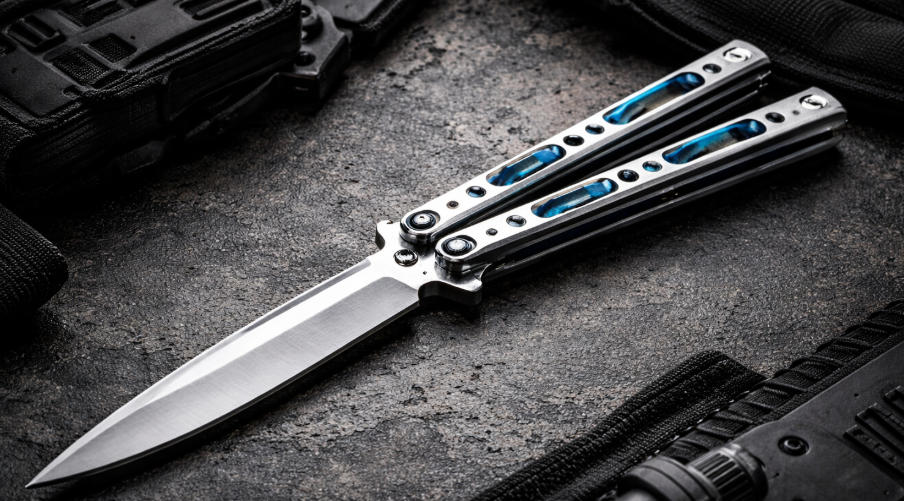
A butterfly knife (balisong) is a folding knife with two handles that rotate around the tang, enclosing the blade when closed and revealing it when opened. Unlike automatic or spring‑assisted knives, butterfly knives open manually by flipping or pivoting the handles.
They are prized for:
-
Unique flipping action and performance skills
-
Compact EDC design when folded
-
Martial arts and training use
-
Collectible value in balisong communities
However, some lawmakers have treated butterfly knives similarly to 'switchblades' or 'gravity knives,' leading to confusion and strict regulations in many areas.
Federal Law and Butterfly Knife Regulations
At the federal level, butterfly knives are not outright illegal for individual ownership. The Federal Switchblade Act prohibits the interstate sale and transport of certain knives classified as switchblades—but this mainly targets commerce, not private possession.
Exceptions include carrying or possessing such knives on:
-
Federal lands
-
Military bases
-
Federal buildings
-
National parks
In these areas, federal law may override state laws and make possession unlawful.

State‑by‑State Butterfly Knife Legality
The legality of butterfly knives varies significantly across U.S. states. Some states allow ownership and carry with few conditions, while others ban them entirely or impose strict restrictions.
🔴 States With Strict Restrictions or Bans
In certain states, butterfly knives are illegal to own, sell, or carry. These laws often classify balisongs under switchblade or prohibited weapons statutes.
Examples of states with significant restrictions include:
-
California – Classified as a switchblade if the blade exceeds two inches, making public carry and transfer illegal; ownership at home may be permitted.
-
Washington – Typically treats butterfly knives as prohibited switchblade‑style weapons.
-
New Mexico – State law often interprets balisongs as illegal switchblades.
-
Washington D.C. – Prohibits possession of knives that open by hand pressure, including many butterfly knives.
Hawaii’s longtime ban was a notable example, but recent federal court challenges are pushing back against the prohibition under Second Amendment arguments.
🟡 States With Partial Restrictions
Some states allow ownership but limit how or where butterfly knives can be carried:
-
California – Legal to own but illegal to carry in public if the blade is over two inches.
-
Florida – Legal to own and carry, although concealed carry may be subject to general weapon laws.
-
New York – Gravity knife laws were repealed in 2019, meaning butterfly knives are generally legal to possess; however, local rules (e.g., NYC) can still make carrying risky.
In many places, open carry is treated differently from concealed carry—and concealed carry without a permit can be illegal even where ownership is permitted.
🟢 States Where Butterfly Knives Are Generally Legal
Many states have lenient knife laws allowing legal ownership and carry of butterfly knives:
-
Texas – Legal under broad knife laws.
-
Utah, Oregon, Alabama, Georgia, Idaho – Generally legal to own and carry without major state restrictions.
-
Michigan, Minnesota, Mississippi, Kentucky – Legal to own and often carry, subject to local regulations.
These states often defer to general knife statutes rather than grouping balisongs with switchblades.
Carrying vs. Owning: Key Legal Considerations
Even in states where butterfly knives are legal, how you carry them matters significantly:
Open Carry
If the knife is visible and not concealed, it may be allowed in many states, subject to local rules.
Concealed Carry
Carrying a balisong in a pocket, bag, or hidden on your person is often treated as concealed weapon carry, which may be a misdemeanor or felony without a permit, depending on the state.
Practicing and Trainers
Butterfly knife trainers (with dull blades and no cutting edge) are typically legal nationwide and are a safer choice for practicing flipping techniques, especially where live blades are restricted.
Conclusion: Know Local Laws Before You Buy or Carry
Butterfly knife laws in the U.S. are a patchwork of state and local regulations. While federal law focuses on commerce and interstate transport, the real legal questions arise at the state and city level. Some states allow butterfly knives with minimal restrictions, others treat them under switchblade or gravity knife statutes, and a few heavily restrict or ban them entirely.
Before purchasing or carrying a butterfly knife, it’s essential to:
-
Research your specific state and local knife laws
-
Understand differences between open vs. concealed carry
-
Consider using a trainer knife if live blade carry is risky
Being informed today helps you flip and collect legally tomorrow.
-
Posted in
other
